A Warrior's Burden
The burden of a warrior is not dying for his people—it is living with everything he must sacrifice for them.
PREORDER MONAD PRESS
A Warrior's Burden
RYAN MICHAEL
Some stories are written in books. Others are written in the earth.
HISTORICAL FICTION · SOUTHERN APPALACHIA
EBOOK · EPUB + PDF · $9.99 · AVAILABLE NOVEMBER 1
PAPERBACK · 630 PAGES · $27.99 · SHIPS NOVEMBER 1, 2026
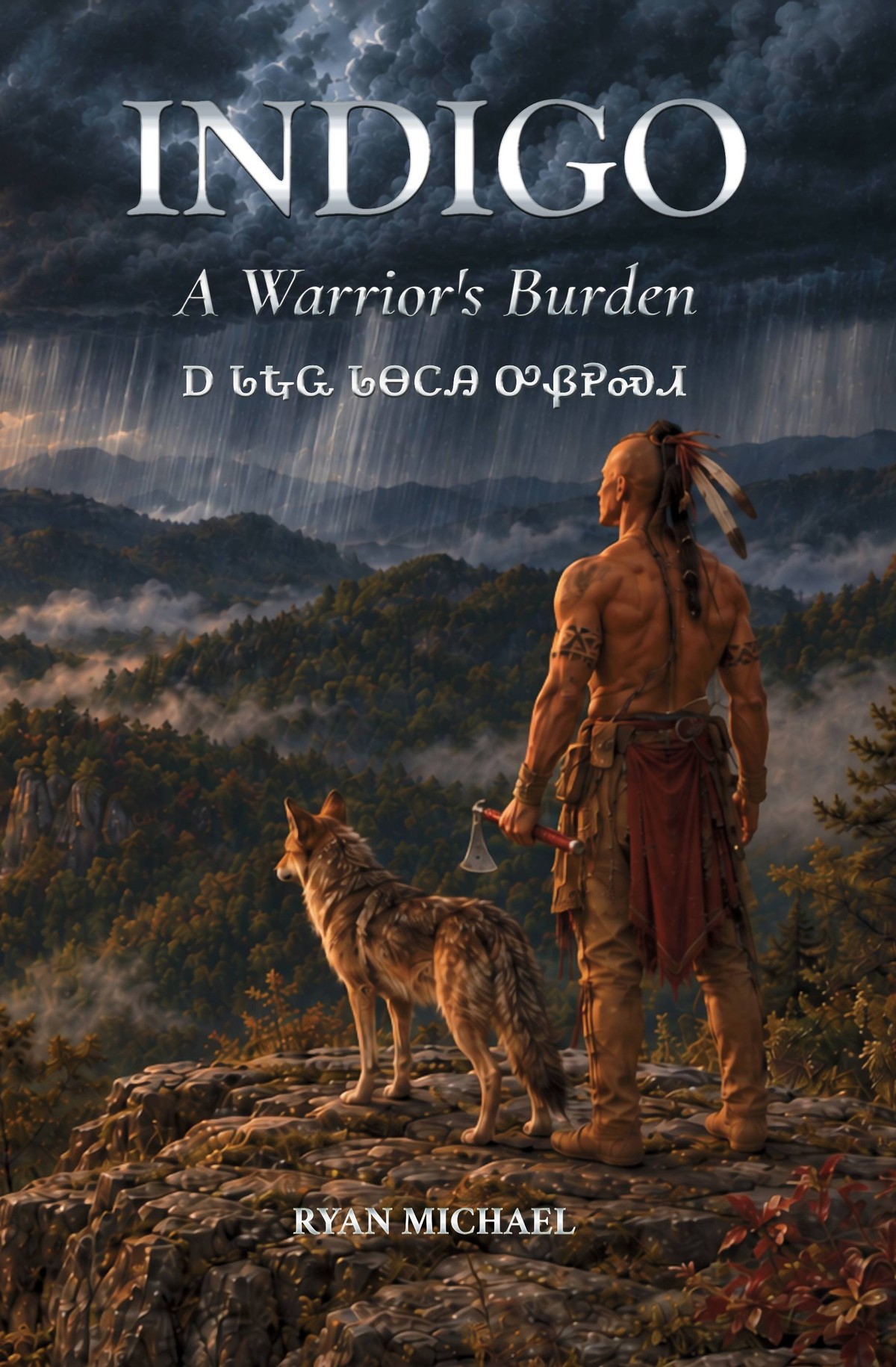
American history remembers the Revolution and the birth of a nation—this is a story the earth refuses to bury.
Monad Press publishes historical fiction built around a single question: how did you come to believe the version of history you believe? We choose stories that place readers on both sides of a conflict at once, without smoothing over the contradictions—then trust the story, not the moral, to do the work. We keep the list deliberately small so every book gets the space it needs.
A young Cherokee hunter in a world beginning to fracture.
LITERATURE & FICTION · INDIGENOUS
HISTORY · NATIVE AMERICAN
HISTORICAL FICTION · UNITED STATES
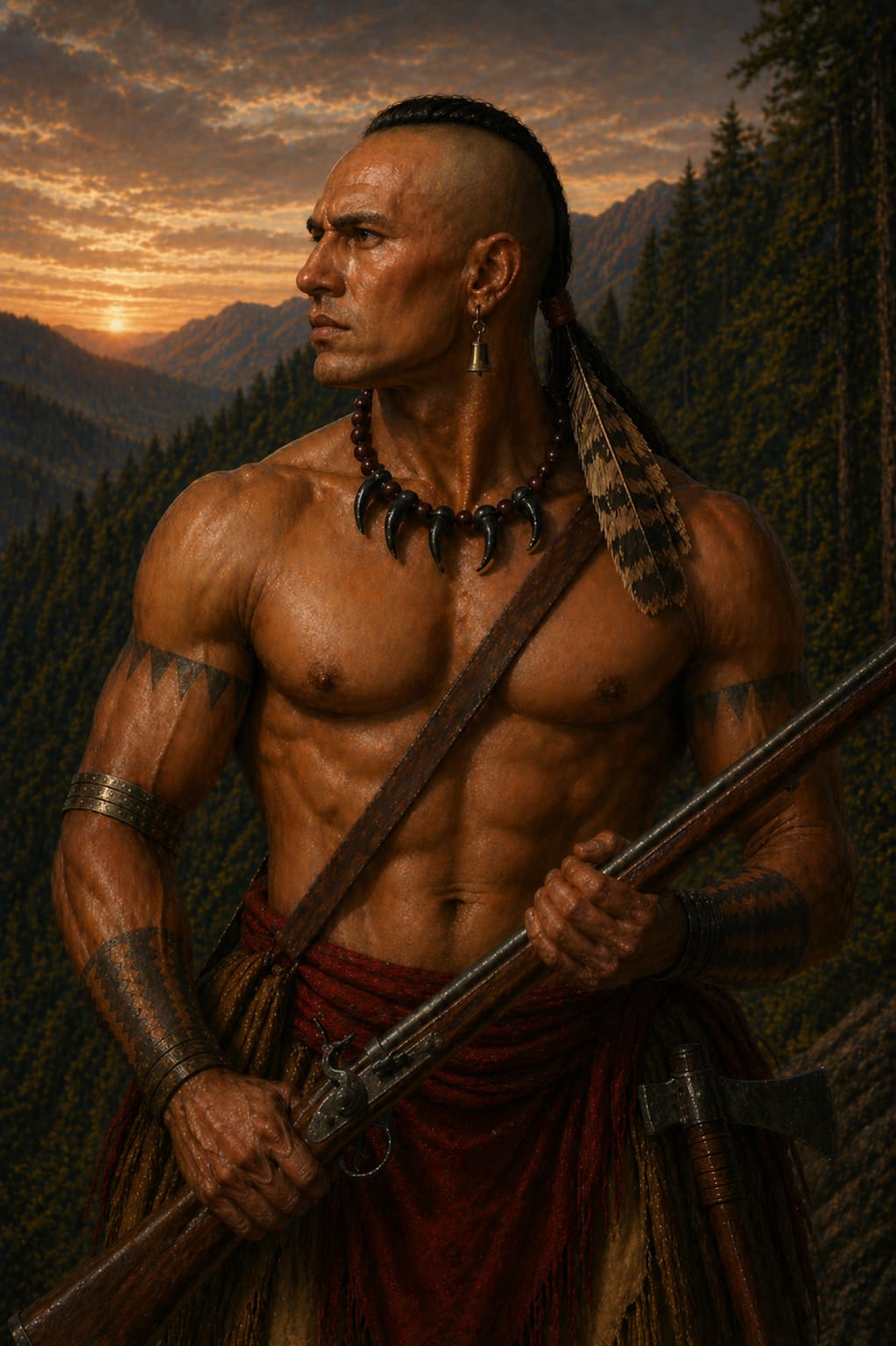
Set in the southern Appalachians during the most violent decades of colonial expansion, Indigo: A Warrior's Burden follows Yona Equa, a young Cherokee hunter, as his world begins to fracture under the weight of a foreign culture spilling over the mountains. Change comes fast—iron, rifles, and sickness carried in the wake of trade. Yona clings to the old ways, even as the living earth grows restless.
The Cherokee do not see land as property; they view themselves as part of it. When chiefs begin trading ground for “peace,” young warriors hear betrayal, not diplomacy.
Peace is bought with old men's marks on paper—and paid for with young men's blood on the ground.
For the clans, it is a time of uncertainty—blurred lines between peace and war, kin and stranger, honor and betrayal.
Haunted by visions and shadowed by a coyote spirit, Yona and the warriors face betrayal and impossible choices as they fight to hold on to what matters: their people, their homeland, and the memory of who they were before the world changed.
A story of fierce love, quiet grief, and unyielding devotion, Indigo is both an elegy and a battle cry—an unforgettable portrait of the Aniyunwiya, the “Principal People.”
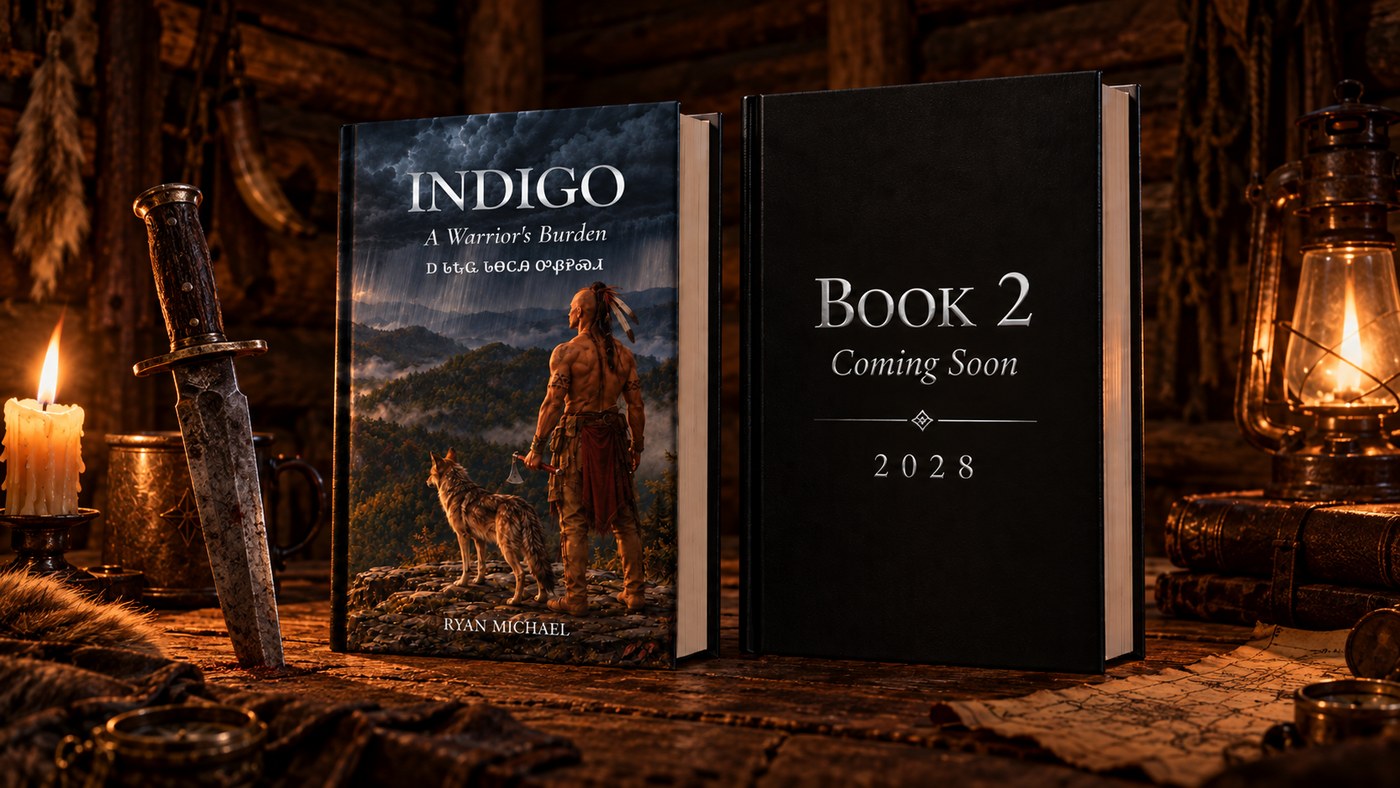
The burden of a warrior is not dying for his people—it is living with everything he must sacrifice for them.
PREORDERYona's nephews carry his legacy out of the mountains, where their fight joins the resistance rising under Tecumseh.
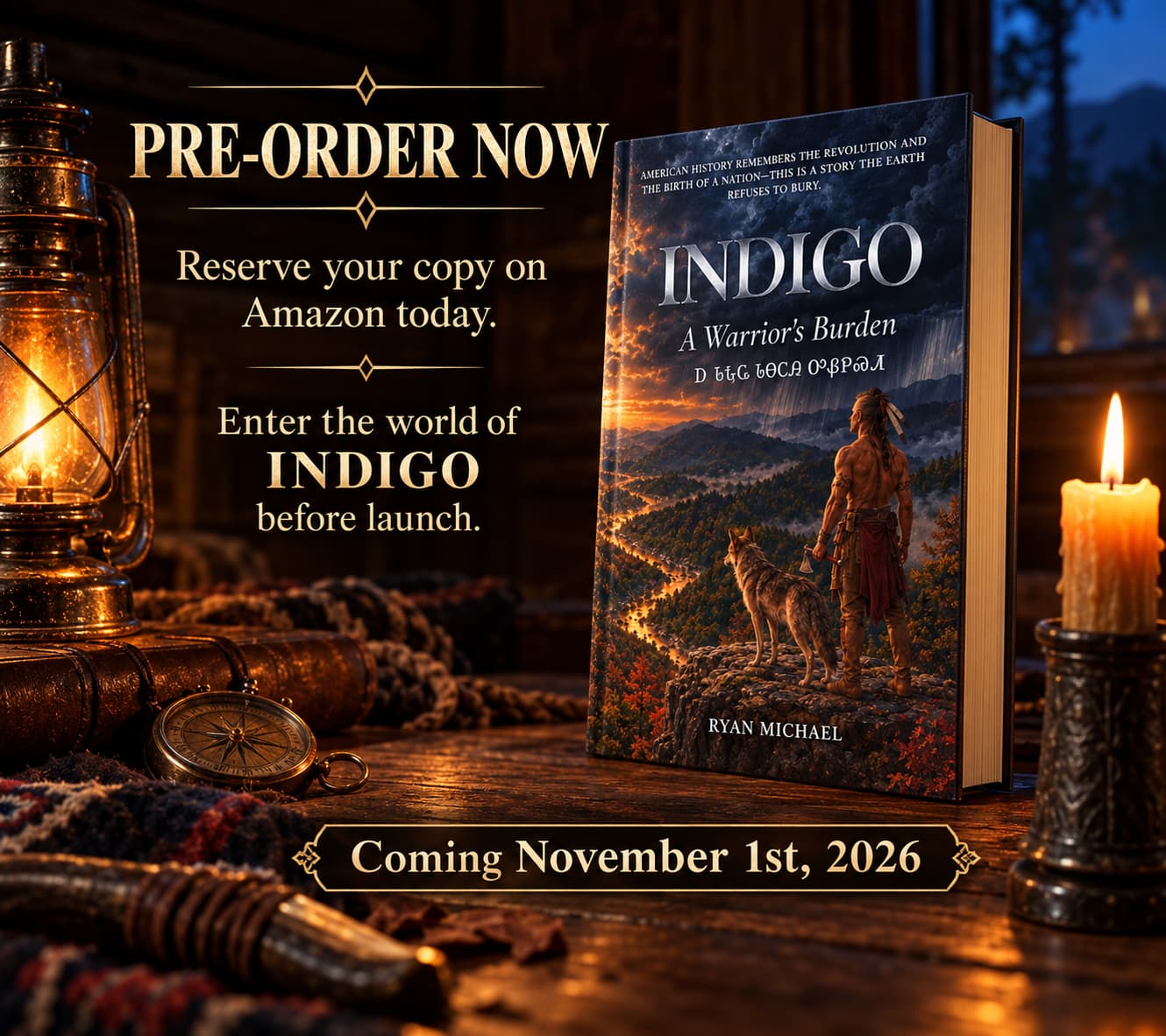
Monad Press is happy to give ARC (Advance Reader Copy) readers a free eBook or PDF of Indigo: A Warrior's Burden, ahead of its November 1, 2026 release, in exchange for an honest review.
We manage our ARC team through StoryOrigin—sign up there, and once you're approved we'll send your copy and follow up when it's time to share your review.
REQUEST AN ARC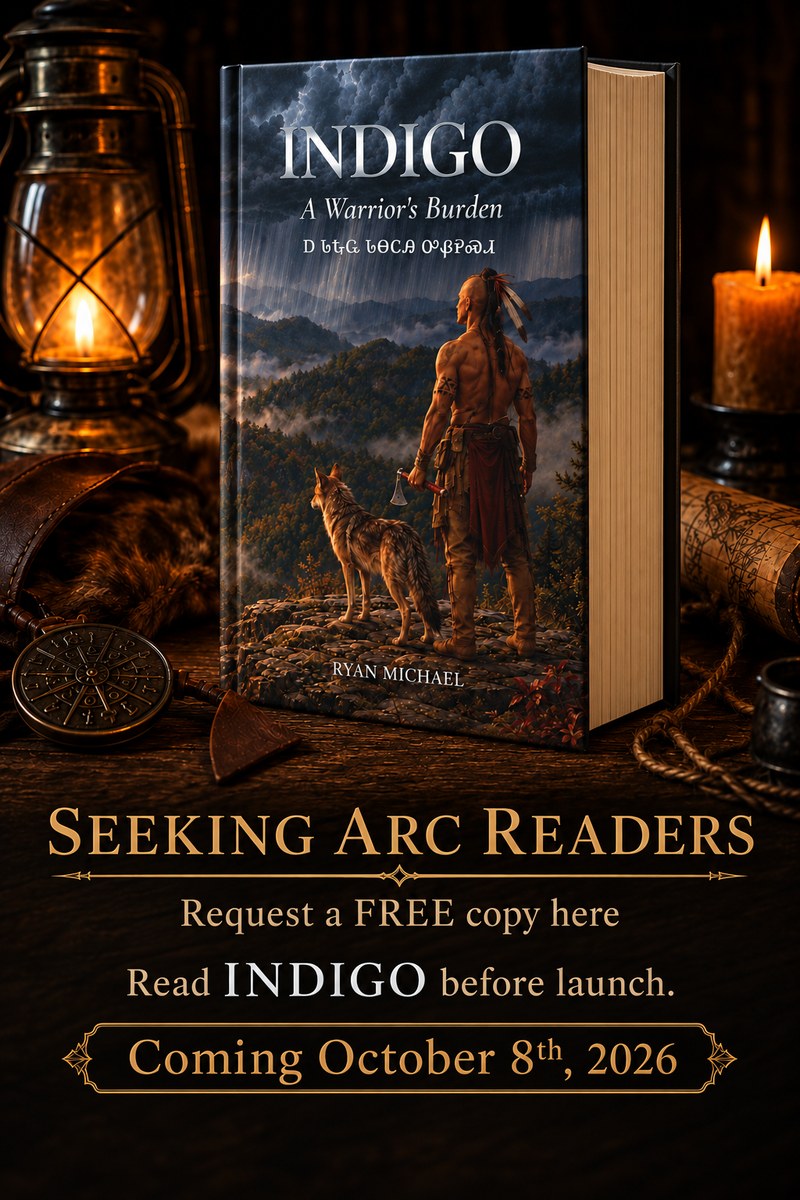

Ryan Michael claims only to be a gifted storyteller. Any claims he has of being an author, he credits to his editor, who afforded him an accelerated learning program in the craft. That storytelling instinct, paired with a lifelong fascination with Native American culture and history sparked young by family, became Indigo: A Warrior's Burden—his debut novel and the first in a series following the Cherokee experience through the turmoil of colonial expansion.
Ryan lives with his wife, their twin sons, and their dog, who is, without question, his most devoted fan.
But if storytelling explains how he writes, perspective explains why.
Asked what he wishes more readers would talk about after reading Indigo, Ryan's answer is not primarily the tragedy or injustice Native Americans were subjected to. It is what American expansion really looked like from the other side of the mountains.
IN HIS OWN WORDS
We grow up learning about pioneers moving west, settlements expanding, treaties opening new land, and eventually a Revolution fought for liberty. Yona experiences those same events as a foreign people steadily moving into his homeland, while older Cherokee leaders attempt to preserve peace through concessions that younger warriors increasingly see as surrender.
That internal Cherokee conflict fascinates me. These weren't simply “the Cherokee versus the settlers.” Families, towns, and generations were divided over what survival even meant. Some of the Cherokee people history reveres are not necessarily revered by Yona and the Chickamauga around him. I didn't want to clean those contradictions up for modern readers.
But underneath all of that is an even bigger question I want the reader to ask:
How did I come to believe the version of this history that I believe?
I grew up with a perception of American expansion in which the pioneers were folk heroes pushing bravely into the wilderness, overcoming hardship—and, somewhere along the way, overcoming the “savages” who stood in the path of progress.
I didn't invent that perception. It was prepared for me.
It came through television, school, books, movies, and the cultural environment from which I was given the opportunity to perceive that history.
And that raises the question at the heart of Indigo:
What happens when you are forced to experience that same history from the other side?
Reality is built largely upon perception, but truth lives somewhere beneath the veil of reality. So what happens when the people on the other side of the history book are no longer abstractions? When you love who they love, grieve who they lose, experience their betrayals, understand their loyalties, laugh with their friends, fear for their children, and face the same impossible choices they faced?
Does the history change?
No.
But maybe we do.
And maybe, after experiencing the same events from both sides, we discover something even larger: these weren't two separate human stories moving toward different ends. They were people caught inside the same history, experiencing it from radically different places, all being carried toward the same inevitable future together.
That is probably the part of Indigo's world I most want people talking about.
Release news, cover reveals for the next books, and nothing else.